Smart Rivers 2027 offers engaging, interactive technical tours of land- and water-based sites that demonstrate innovative or compelling cases of inland navigation and transport infrastructure. View the details below.
Registration is required. Additional fees may apply.
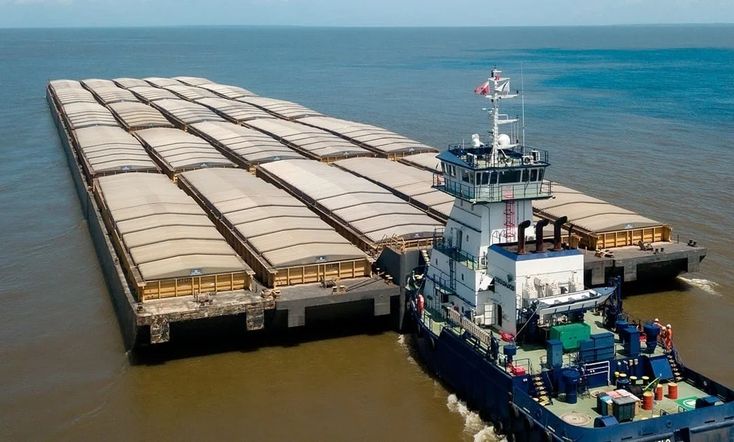
A chartered cruise utilizing a safe, modern vessel to inspect the diverse traffic of the Musi River— from 300-foot coal barges to small Ketek taxis. Delegates will observe the River Information Services (RIS) implementation challenges.
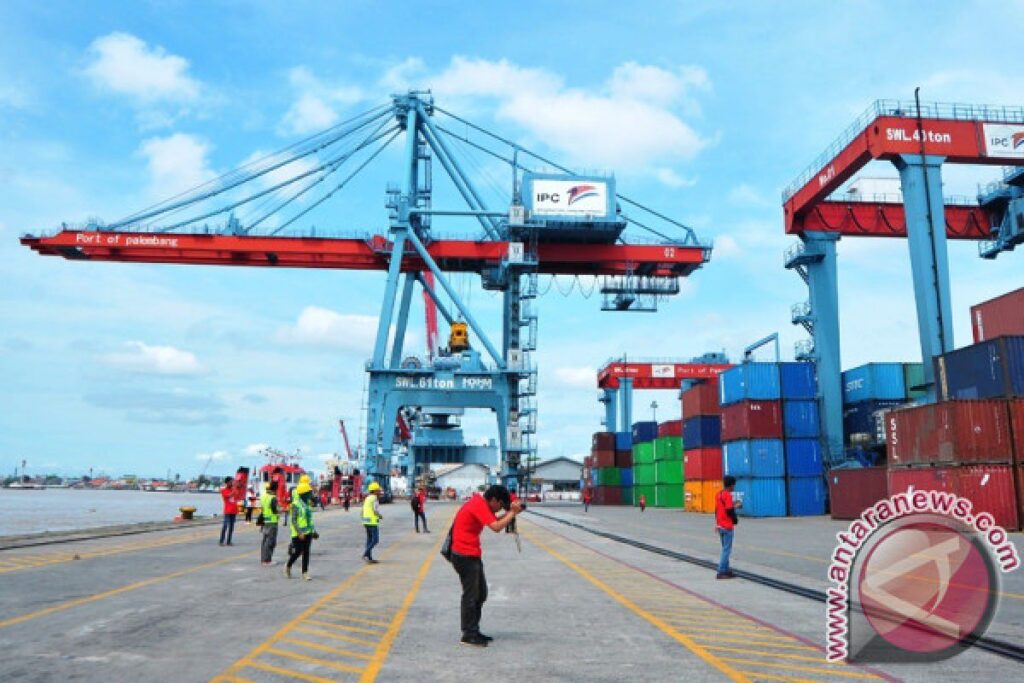
A visit to the existing river port (Boom Baru) to discuss capacity constraints, followed by a presentation on the upcoming Tanjung Carat New Port project, which aims to move heavy logistics to the sea estuary—a classic PIANC case study in port migration.
A walking tour of the Mariana Bahagia river shipyard, showcasing riverfront revitalization efforts integrating flood control with public space (placemaking).
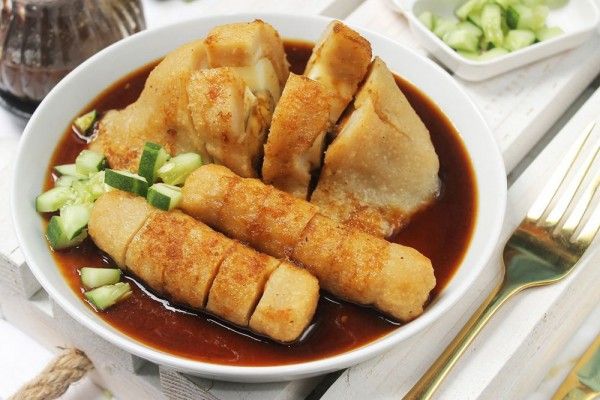
Pempek (often spelled empek-empek) is a “fishcake” and has its deep historical roots, scientific precision in taste, and cultural prestige. Pempek is not just a snack; it is a survivor of history. Historical records suggest a precursor to Pempek called Kelesan existed as early as the 7th-century Srivijaya era. It represents a centuries-old solution for preserving the Musi River’s bounty. The modern name “Pempek” originates from “Apek,” a respectful term for the Chinese elders who refined the recipe by introducing sago/tapioca and selling it via carts. It is a tangible example of Indonesia’s harmonious cultural melting pot.
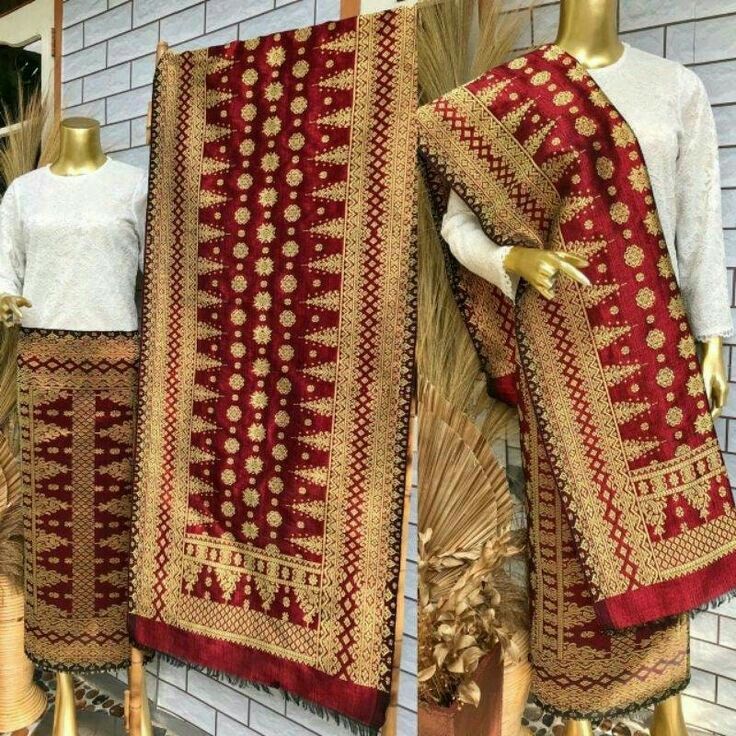
Songket is the living DNA of the Srivijaya Empire, which dominated the maritime silk roads for centuries. Often referred to as “the fabric of kings,” its origins are tied to the abundance of gold found in the region and the influx of silk via trade with China and India. When a tourist touches a piece of Songket, they are touching a legacy of wealth and power that once commanded the Musi River. Promoting it as “Living Gold” transforms the purchase from a simple souvenir into an acquisition of a royal heritage that has survived over a millennium. Songket is the living DNA of the Srivijaya Empire, which dominated the maritime silk roads for centuries. Often referred to as “the fabric of kings,” its origins are tied to the abundance of gold found in the region and the influx of silk via trade with China and India. When a tourist touches a piece of Songket, they are touching a legacy of wealth and power that once commanded the Musi River. Promoting it as “Living Gold” transforms the purchase from a simple souvenir into an acquisition of a royal heritage that has survived over a millennium.